Author: admin

  • GCSE English Results 2026 — Our Students Achieved a 100% Grade 9 Pass Rate

    This year, all three students who took GCSE English tuition with OwlPath Academy achieved Grade 9 — the highest possible GCSE grade.

    We’re a small and growing academy, and three students is a small cohort. But all three reaching the top grade is exactly the kind of result we set out to deliver, and we couldn’t be prouder of the students, their families, and the tutor behind it.

    These results come down to one thing above all else: the hard work, focus and attitude the students brought to every session.

    From a Predicted Grade 5 to a Grade 9

    One of these results tells the story particularly well.

    This student was predicted a Grade 5 in English. On results day, they told us:

    “I did really well and it’s actually very unexpected — I was predicted a 5 in English, but in my GCSEs I got a 9.”

    Four grades above prediction. From a standard pass to the top grade in the country.

    Every Student Starts Somewhere Different

    The three students didn’t start from the same place. Different confidence levels, different strengths, different gaps.

    That’s central to how we work at OwlPath. Rather than teaching every student the same lesson, we start by understanding exactly where each one is — then build from there.

    How We Got Three Different Students to the Same Result

    Each student followed the same OwlPath approach, adapted entirely to their own starting point:

    1. We find out exactly where your child is
    Before any teaching begins, we assess which assessment objectives a student is secure in, which question types cost them marks, and how they handle exam conditions. No assumptions — evidence first.

    2. Then we build a plan around their specific gaps
    A student who writes strong analysis but runs out of time needs a different plan to one who knows the texts but structures answers loosely. Every plan targets the gaps that are actually costing marks — not a generic course everyone follows.

    3. Focused practice between sessions
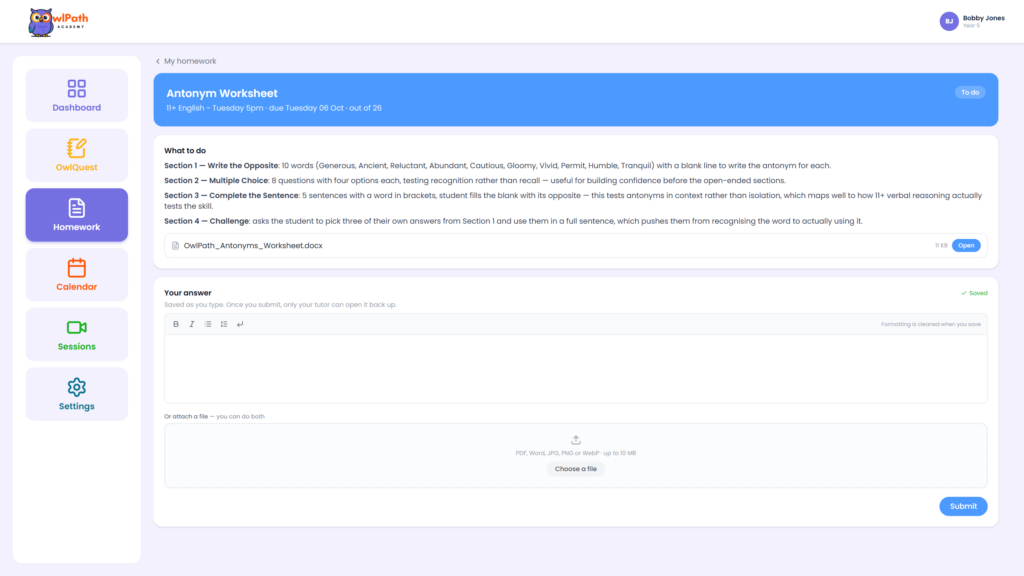
    Learning continues beyond the tutoring session. Students are given relevant practice and assignments to reinforce the topics covered during tuition. Tutors review progress and use this to identify areas that may need further explanation or practice in future sessions.

    4. Small sessions, full attention
    Groups of three to four, or one-to-one. Every student is writing, discussing and being challenged directly in every session — there’s no drifting to the back of the room.

    5. Mock exams that mean something
    Full papers, timed conditions, marked against the real mark scheme — several times across the year. By results day, the exam held no surprises. The mocks had already told us what was coming.

    6. Parents in the loop the whole way
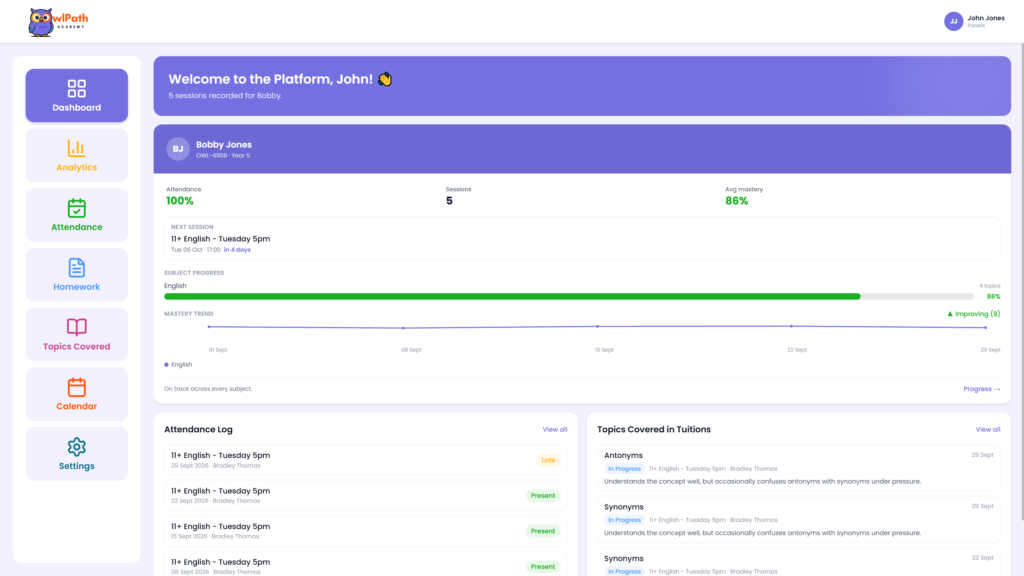
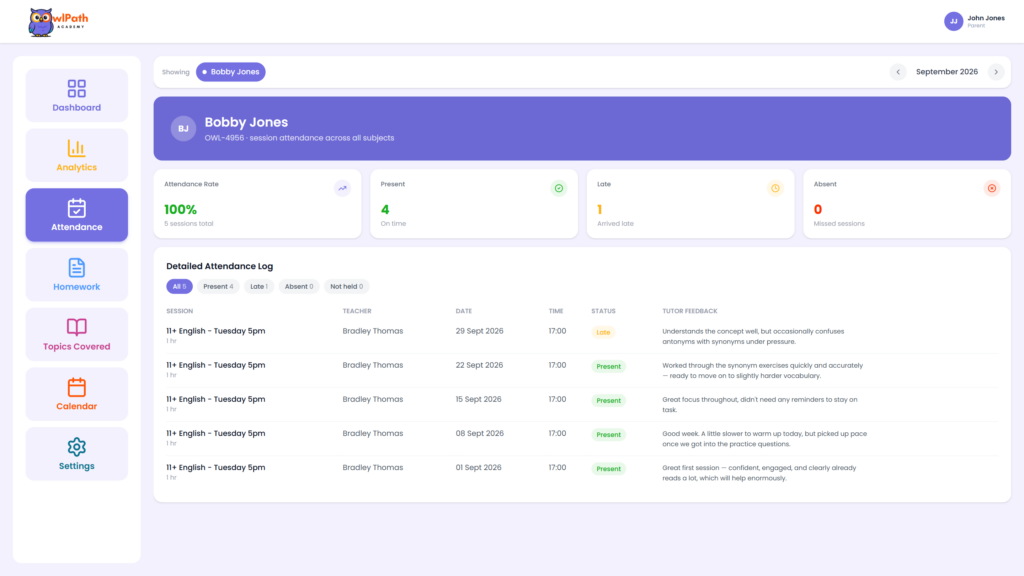
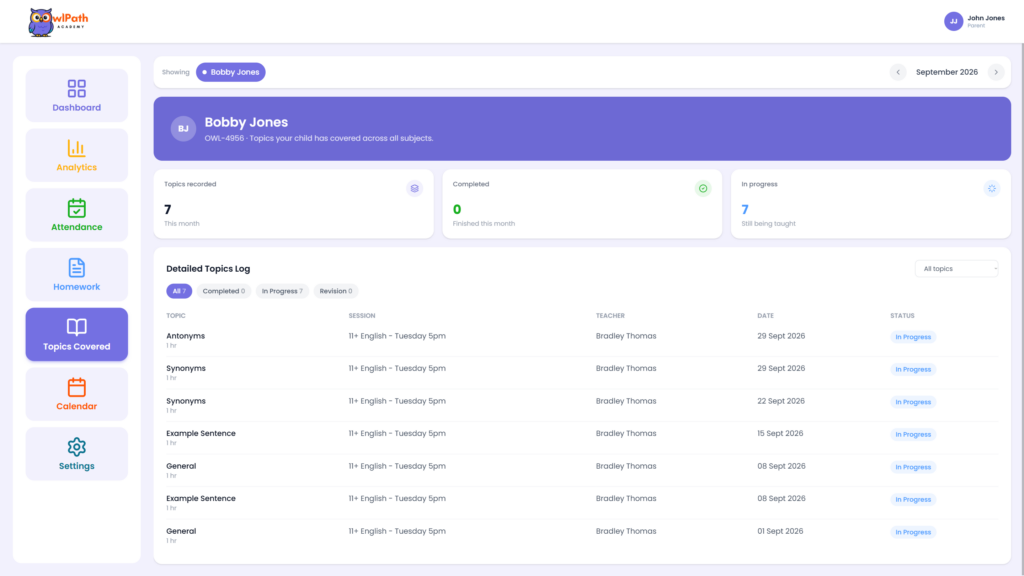
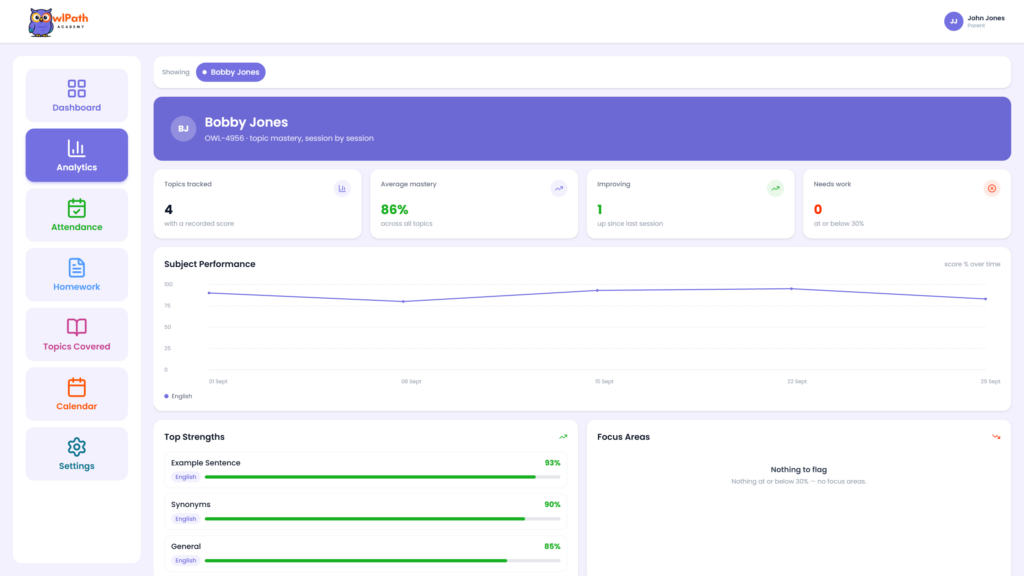
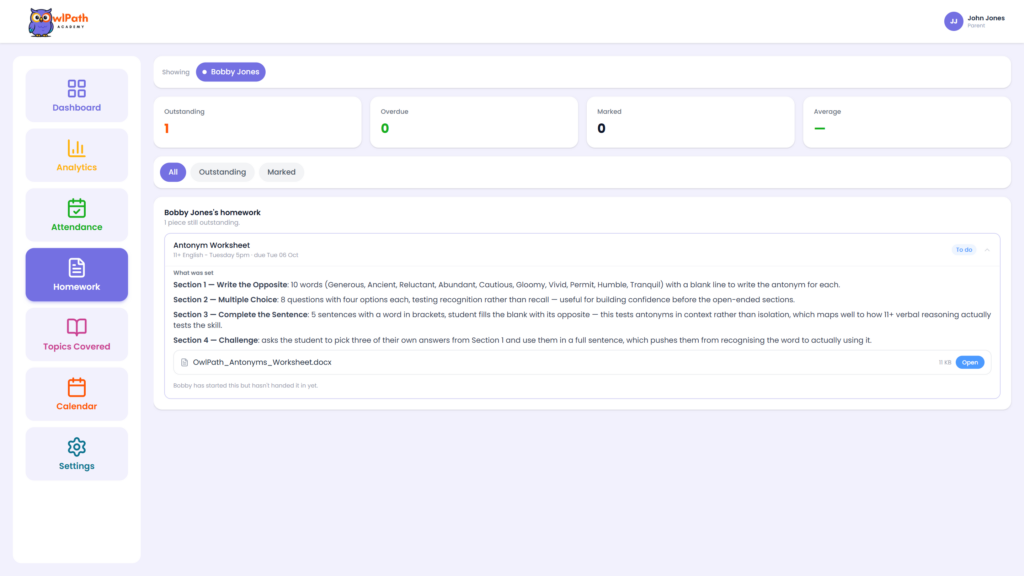
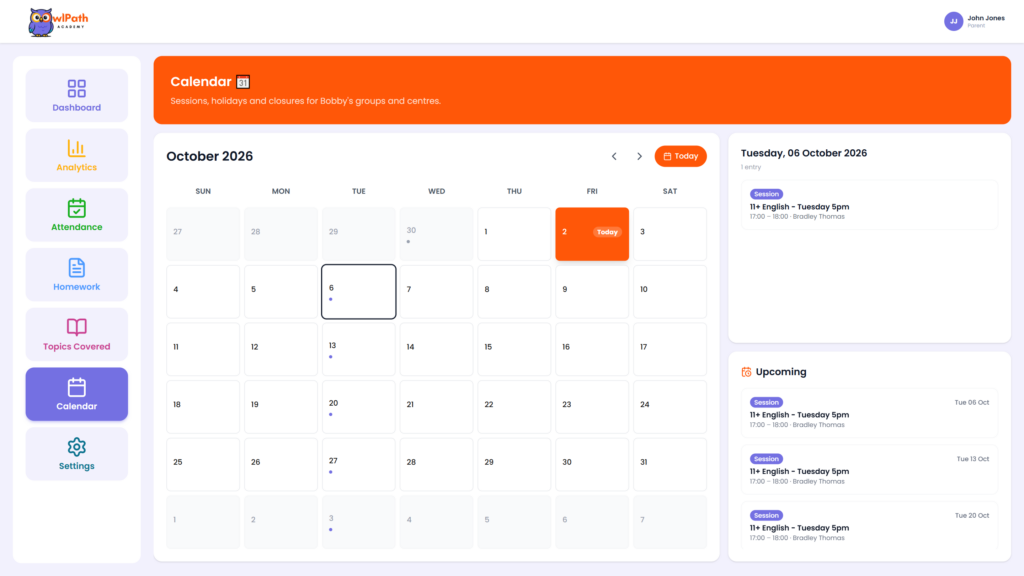
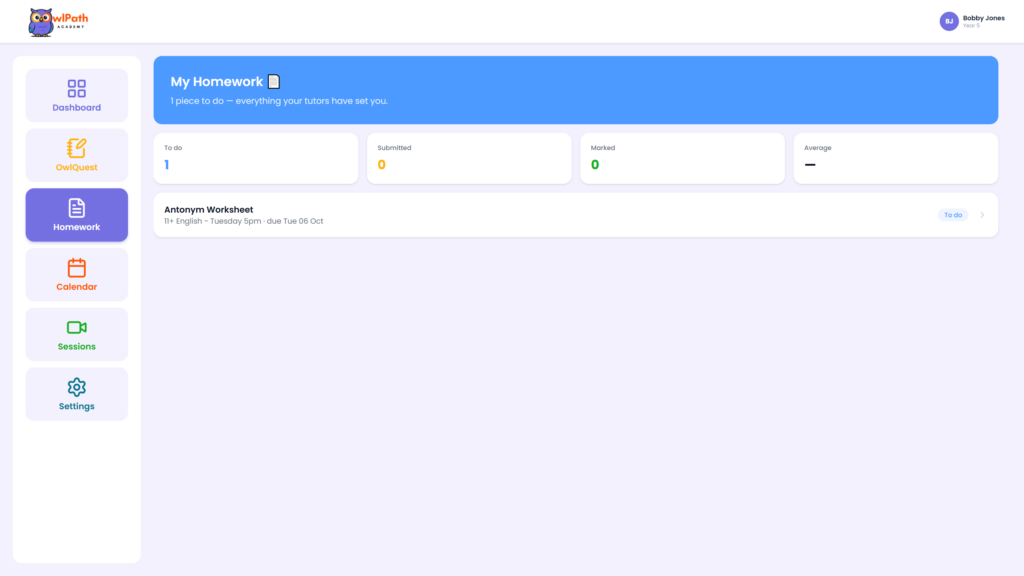
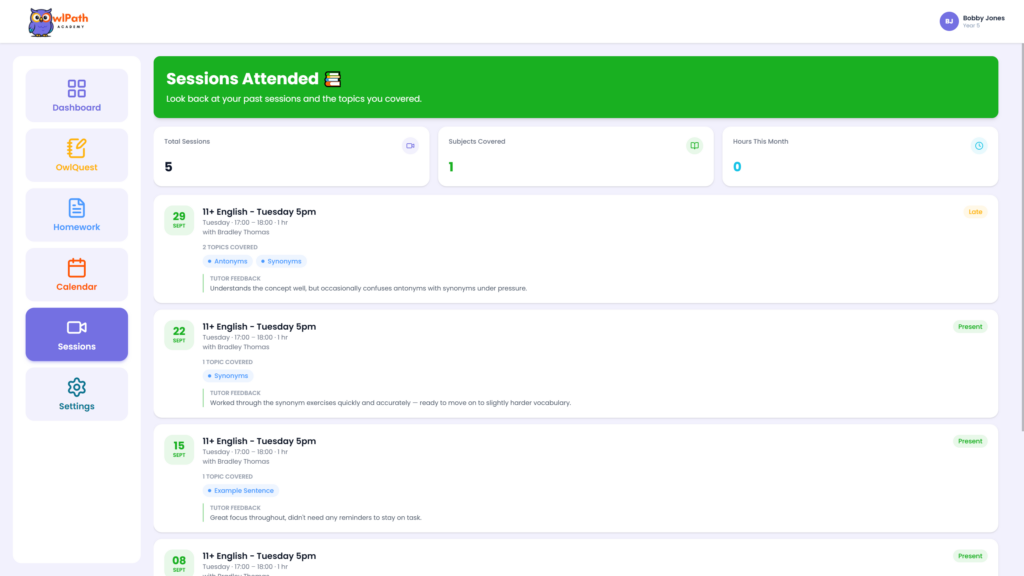
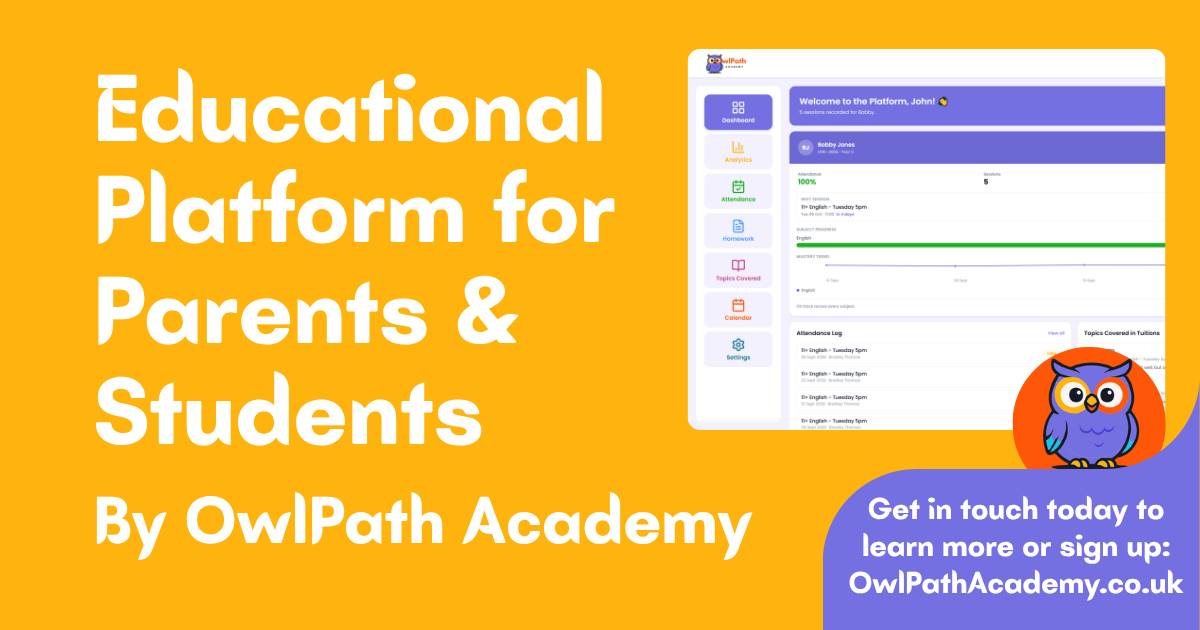
    Attendance, homework and topic-by-topic progress, visible throughout — so nobody is guessing how things are going, and small issues get fixed while they’re still small.

    Proud of Our Students — and Our Tutor

    These results belong first to the students. Their attitude and commitment made the difference.

    We’re also proud of the tutor who taught them:

    “They all had the best attitude and were great to teach. Very proud of them!”

    And thank you to the families, whose support and encouragement carried through the whole year.

    Good tuition only works when the student, the tutor and the family are all pulling in the same direction — and that’s exactly what happened here.

    GCSE Tuition — September 2026

    This year’s results are from our GCSE English cohort. For September, we’re taking the same approach — assess, personalise, teach, practise, review, prepare — and opening it up to two more subjects.

    GCSE English
    The subject behind this year’s results. Same tutor, same process, same small groups.

    GCSE Maths — New for 2026–27
    Launching this September. The same structured approach — starting with a proper assessment of where your child actually is, then building a plan around their specific gaps rather than working through a generic syllabus.

    GCSE Science — New for 2026–27
    Also launching this September, covering the core Science curriculum with the same small-group approach that’s behind this year’s English results.

    Small-group and one-to-one options are available across all three subjects, with September places limited to keep every group properly small.

    If you’re looking for GCSE tuition that takes your child’s preparation seriously — a proper starting assessment, a plan built around their specific gaps, and mock exams that actually mean something — we’d love to talk.

    Speak to our team about your child’s current level, goals, and the right tuition option.


  • The Quest 11+ Vocabulary List: All 500 Words Explained for Parents

    If your child is preparing for a Quest 11+ exam — whether for grammar school entry in Wirral or for independent school entrance — you may already have come across the Quest vocabulary list.

    Quest Assessments, the exam provider used for the Wirral Admissions Test and a growing number of independent school entrance exams across the UK, publishes an official list of 500 words that they recommend children learn before their 11+ assessment. These words are selected specifically for their relevance to verbal reasoning, comprehension and creative writing — the areas where vocabulary has the most direct impact on performance.

    In this guide we cover what the list contains, why these particular words matter for the 11+ exam, how they are likely to be tested, and the most effective ways to help your child actually learn them — not just recognise them, but use them confidently.

    Why Does Quest Publish a Vocabulary List?

    The Quest vocabulary list exists because vocabulary is one of the few areas of 11+ preparation where the right content is knowable in advance. Unlike reasoning ability, which develops over time, vocabulary is directly teachable — and the words that appear in 11+ verbal reasoning, comprehension and creative writing tasks are not random.

    Quest’s list represents the vocabulary that their assessments draw on. By publishing it, Quest is giving parents and children a clear starting point: these are the words your child should be comfortable with before sitting the exam.

    Vocabulary is one of the few areas of 11+ preparation where the right words are knowable in advance — and the Quest list tells you exactly what they are.

    The list covers 500 words across the full alphabet, from everyday words that children may encounter in reading but not fully understand (such as ‘comprehend’, ‘evident’ or ‘consequence’) to more unusual vocabulary that tests genuine breadth of language (‘subterfuge’, ‘flamboyant’, ‘dilapidated’).

    For parents in Wirral, this list is particularly relevant because the Wirral Admissions Test is provided by Quest Assessments. Families preparing for Calday Grange Grammar School, West Kirby Grammar School, Wirral Grammar School for Boys or Wirral Grammar School for Girls are preparing for a Quest assessment — and this vocabulary list is the one that applies.

    How Are These Words Tested in the 11+?

    The words on the Quest list are not tested as a simple spelling or definition exercise. They appear in context — woven into verbal reasoning questions, comprehension passages and creative writing prompts — which is why passive familiarity is not enough. Children need to understand what a word means, how it is used, and be able to distinguish it from similar words in a multiple-choice setting.

    In verbal reasoning

    Verbal reasoning questions often require children to identify synonyms, antonyms, or words that complete an analogy. A child who knows that ‘feeble’ means weak, and that ‘robust’ means the opposite, is better placed to answer a question like ‘feeble is to weak as robust is to ___’. Without that knowledge, even strong reasoning skills hit a ceiling.

    In comprehension

    Comprehension passages in the 11+ frequently use vocabulary from the Quest list in their source texts. A child who encounters the word ‘desolate’ or ‘contemplative’ for the first time during an exam, under timed pressure, is at a significant disadvantage compared to one who already knows what these words mean.

    In creative writing

    For assessments that include a creative writing component, vocabulary range is a direct marking criterion. Children who can deploy words like ‘dishevelled’, ‘turbulent’ or ‘tranquil’ accurately and naturally in their writing will produce more varied, expressive prose than those relying on a limited vocabulary — and this is reflected in their marks.

    Understanding the List: Key Word Themes

    Looking at the 500 words as a whole, some clear thematic patterns emerge. Understanding these themes can help parents and children approach the list more strategically — rather than learning words in alphabetical order with no context, you can group related words together for more effective learning.

    Character & Personality

    aggressive, affectionate, arrogant, belligerent, conceited, cunning, dependable, feign, flamboyant, heroic, humble, idle, ignorant, insolent, lenient, loyal, meticulous, modest, obstinate, painstaking, pompous, rowdy, sly, stubborn, submissive, timid, tyrant

    Emotions & States of Mind

    anxious, apprehensive, bewildered, bemused, content, contempt, curiosity, despair, discontent, distress, embarrass, excitement, fatigue, grief, loneliness, nauseous, perplexed, tranquil, weary, wretched

    Actions & Movement

    abandon, assemble, cease, conceal, conspire, cultivate, disperse, elude, embrace, endeavour, flourish, immerse, linger, proclaim, ramble, restrain, retreat, roam, seize, submit, thrust, wither

    Places & Environments

    barren, cemetery, derelict, dilapidated, dwelling, exterior, habitat, habitable, hollow, interior, lodge, residence, rural, shrine, subtropical, summit, vast

    Description & Appearance

    abundant, ancient, apparent, charred, coarse, diluted, dishevelled, distinct, distinguished, feeble, fragrant, grotesque, lavish, majestic, meagre, nimble, prominent, quaint, rigid, robust, sleek, sturdy, turbulent

    These groupings are not exhaustive — many words span multiple categories — but they give a useful framework for organising vocabulary learning by theme rather than working through the alphabet mechanically.

    Words That Often Catch Children Out

    Within the 500, some words are more commonly misunderstood or confused than others. Here are some worth paying particular attention to:

    Words that look similar to other words

    • conscious vs conscience — conscious means aware; conscience is your moral sense of right and wrong
    • complement vs compliment — complement means to complete or go well with; compliment is an expression of praise
    • quite vs quiet — easily confused in spelling but very different in meaning
    • coarse vs course — coarse means rough; course is a direction or subject
    • stationary vs stationery — stationary means not moving; stationery is paper and pens

    Words children recognise but cannot define precisely

    • tranquil — peaceful and undisturbed; more than just ‘calm’
    • meticulous — very careful and precise; often confused with ‘neat’
    • obstinate — stubbornly refusing to change one’s mind; stronger than ‘stubborn’
    • turbulent — full of disorder and confusion; often used of weather or emotions
    • subtle — not immediately obvious; delicate and understated

    Less common words worth active focus

    • subterfuge — deception used to achieve a goal
    • insolation — exposure to the sun’s rays; easily confused with ‘isolation’
    • plume — a long feather, or a trail of smoke or cloud
    • derelict — abandoned and in a state of disrepair
    • flamboyant — confidently and stylishly distinctive

    The words children struggle with most are often not the rare ones — they are the common words they half-know but have never been asked to define precisely.

    The Full Quest 500 Word List

    Below is the complete Quest vocabulary list, organised alphabetically as published. This is the official list from Quest Assessments’ parent guidance materials.

    Aabandon, absence, absurd, abundant, accommodate, accompany, according, accuse, accustomed, achieve, acquainted, acquire, address, adhere, admission, advance, affectionate, aggressive, alert, altitude, amateur, ambition, ample, ancient, anxious, apparent, appeal, appearance, applicable, appreciate, apprehensive, approve, argument, article, assemble, assistance, attempt, available, average, avoid, avowed, awkward
    Bbanish, bargain, barren, beautiful, because, believe, belligerent, bemused, benefit, besieged, betray, bewildered, brief, Britain, bruise, burden, business
    Ccaffeine, calamity, candidate, category, caution, cease, ceiling, cemetery, changeable, chaos, charred, coarse, coax, college, combination, commence, committee, communicate, community, companion, competition, completely, complex, composition, comprehend, conceal, conceited, conceive, conclusion, condemn, confidential, confine, conspire, conscience, conscious, consent, conserve, consideration, consist, constant, consume, contemporary, contempt, content, contest, contract, contrast, contribute, controversy, convenience, conventional, convert, convey, convict, convince, correspond, coy, criticise, cultivate, cunning, curb, curiosity, curious, curt, custom
    Ddebate, debrief, deceit, declare, decline, definite, deliberate, demolished, deny, dependable, deposit, derelict, description, despair, desperately, destitute, determine, develop, devote, digest, dilapidated, diluted, disappear, disappointed, disarray, disastrous, disclose, discontent, dishevelled, dismal, disperse, dispute, distasteful, distinct, distinguished, distress, divine, domestic, dose, drought, dwelling
    Eearnest, economical, elect, elude, embarrass, embrace, emerge, empire, endeavour, endure, enterprise, environment, equipment, errand, especially, estimate, evaluation, evident, exaggerate, excellent, excitement, exciting, exclaim, existence, expel, expense, explanation, extended, exterior, extinction, extract, extremely
    Ffamiliar, famine, fatal, fatigue, favourite, feeble, feign, fertile, flamboyant, flawless, fleet, flora, flourish, foe, forbid, foreign, forty, foundation, fragment, fragrant, frequent, frivolous, fund
    Ggarment, government, grate, gratitude, grave, grieve, grotesque, guarantee, guard
    Hhabitable, habitat, halt, harass, hasty, heroic, hindrance, hoax, holiday, hollow, humble, hygienic
    Iidentity, idle, idol, ignorant, imitate, immediately, immerse, inaudible, incision, inconspicuous, individual, inedible, inferior, influence, inhabitants, insane, insert, insolent, inspire, intangible, intense, intention, interested, interfere, interior, interpret, interrogate, interrupt, invalid, insolation
    Llabour, lament, language, latter, lavish, lean, legible, leisure, lenient, liberal, liberty, library, lightning, limb, linger, lodge, lofty, loneliness, loyalty
    Mmajestic, margin, matte, maximum, meagre, meant, merchant, mercy, meticulous, minimum, mischief, moderate, modest, moral, mortal, muscle, mysterious
    Nnauseous, neat, necessary, nimble, noted, nuisance
    Ooath, obey, obedience, objection, obscure, obstinate, occupy, occur, odour, offend, omen, opportunity, oppose, oppress, option, ordeal, origin
    Ppainstaking, parallel, parliament, passive, peak, peculiar, perceive, perilous, perish, permit, perplexed, persuade, physical, pigment, pioneer, pledge, plume, plunge, pompous, poultry, precarious, prejudice, present, privilege, proclaim, procure, profession, profit, programme, prohibit, prominent, promote, prompt, pronunciation, proportion, prosperous, protein, provoke, public, punctual, puncture, purpose
    Qquaint, quell, quench, queue, quiet, quite, quiver
    Rramble, rare, really, receive, recite, recognise, recommend, refer, referee, release, relevant, repent, reprimand, reserve, reside, residence, resign, resolve, restaurant, restore, restrain, retain, retreat, reveal, rhyme, ridiculous, rigid, roam, robust, rogue, rowdy, rural
    Ssacred, sacrifice, save, sanitary, score, scripture, secretary, secure, seize, seldom, separate, sermon, shoulder, shrine, signature, sincere, sincerely, sleek, sly, soldier, sow, special, stem, stomach, stoop, stout, stretched, stubborn, sturdy, subdued, submissive, submit, subterfuge, subtropical, successful, succumb, sufficient, suggest, summit, superior, supposed, surprise, suspect, suspend, system
    Ttemperate, temperature, temptation, thrust, tolerable, tolerably, toleration, tomorrow, torment, traitor, tranquil, transference, transferral, trivial, turbulent, twelfth, twilight, tyrant
    Uunfathomable, uniform, union, unite, unnecessary, unsurpassed
    Vvacant, vanished, vapour, variety, vast, vehicle, veil, ventilation, vessel, volatile
    Wwasteful, weary, weird, wholesome, wholly, wither, wound, wretched
    Yyacht, yield
    Join Vocabulary Mastery
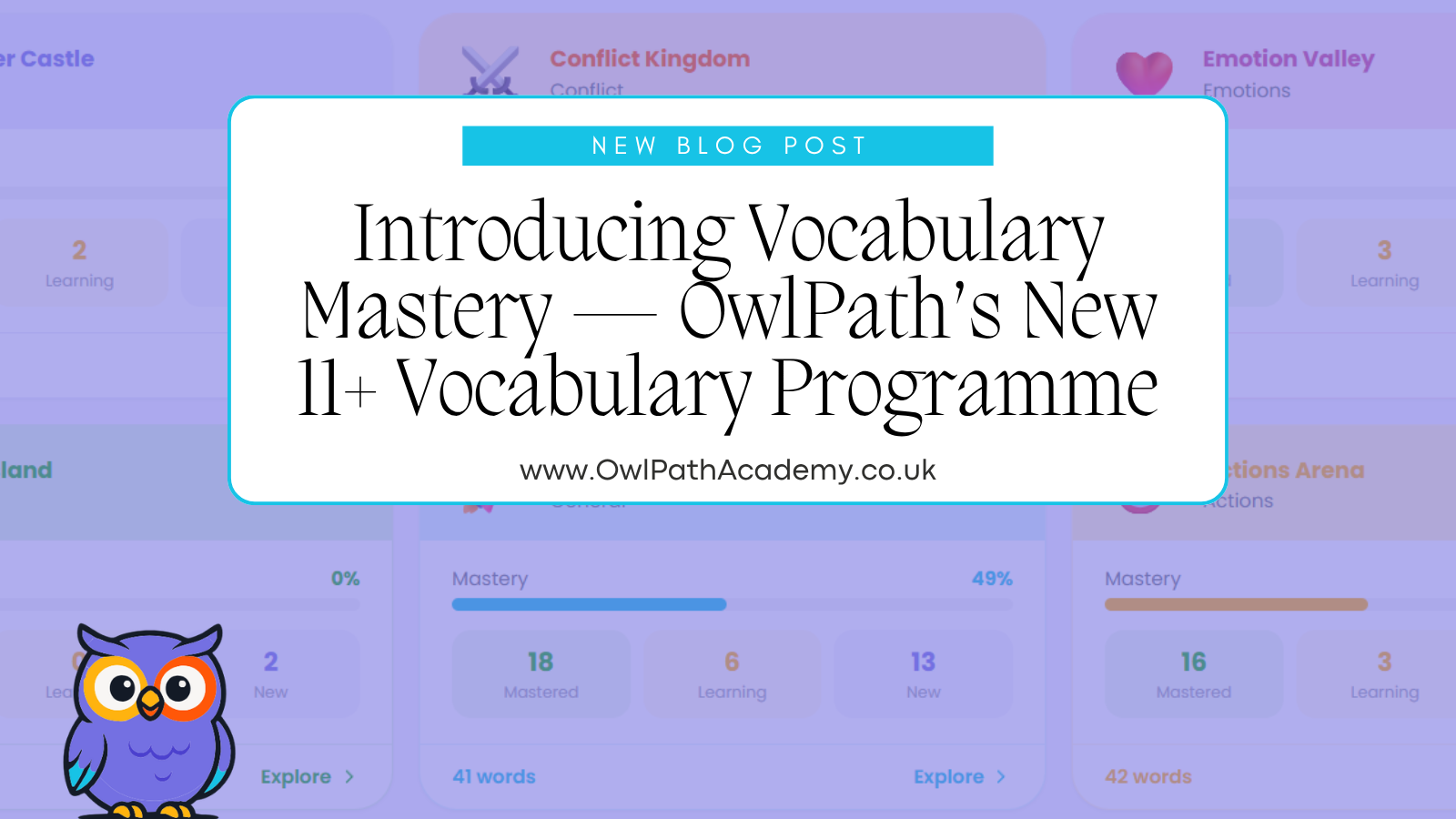
  • Introducing Vocabulary Mastery — OwlPath’s New 11+ Vocabulary Programme

    We’re excited to announce that Vocabulary Mastery is now live on OwlPath Academy.

    Vocabulary Mastery is a gamified daily vocabulary programme designed to help Year 4 and Year 5 students build the word knowledge they need for 11+ success — through short daily missions, automatic weak-word revision, and XP-based rewards that keep children motivated and making progress.

    It’s the first major feature we’ve built beyond our core tutoring and assessment offering, and it’s something we’ve been developing with a clear purpose in mind: making vocabulary learning less of a chore and more of a habit.

    Why We Built Vocabulary Mastery

    Anyone who has sat with a child going through 11+ practice papers will know the moment — a verbal reasoning question comes up and the child pauses, not because they don’t understand the reasoning method, but because they don’t recognise a word in the question.

    Vocabulary is often the hidden factor behind underperformance in 11+ verbal reasoning — and it’s also one of the most fixable.

    Children can be well-prepared in maths and non-verbal reasoning and still struggle with verbal reasoning if vocabulary is a weak area. The words used in 11+ verbal reasoning questions, comprehension passages and creative writing prompts are specific and learnable — but they require consistent exposure over time, not a last-minute cram.

    That’s the gap Vocabulary Mastery was built to fill. Rather than handing parents a list of 500 words and hoping for the best, we wanted to build something that could turn vocabulary practice into a manageable daily habit — short enough to do every day, structured enough to actually work.

    What Is Vocabulary Mastery?

    Vocabulary Mastery is a structured, gamified vocabulary programme built around the 500+ words from the official Quest Assessments vocabulary list — the same words Quest recommends for children preparing for 11+ verbal reasoning, comprehension and creative writing.

    The programme is built around three core features:

    Daily Missions

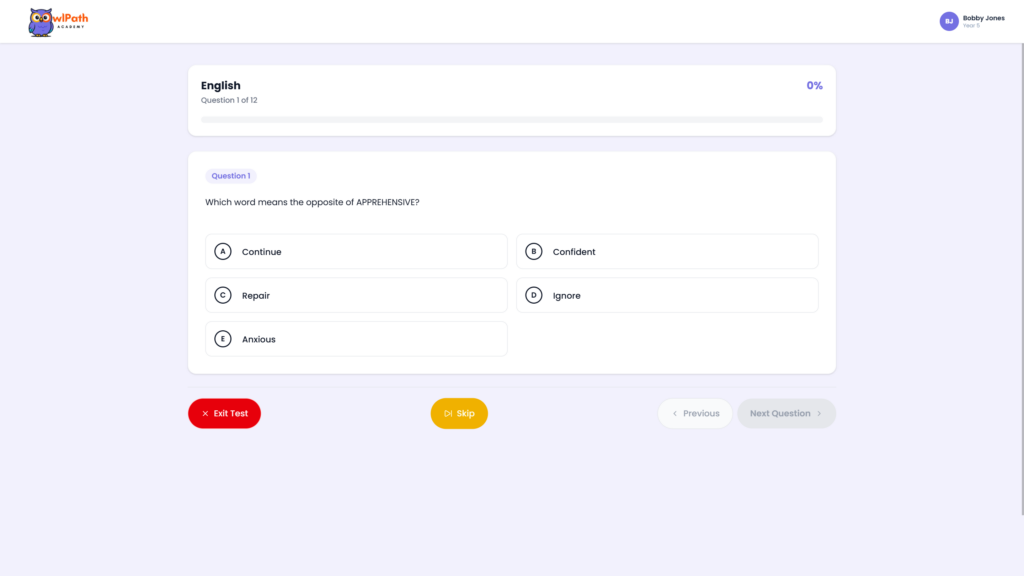
    Each day, students complete a short vocabulary mission covering carefully selected words, with example sentences, memory prompts and quizzes. Sessions are deliberately brief — designed to build into any daily routine without feeling like extra homework.

    Weak Word Revision

    Words answered incorrectly automatically return in future sessions until they are fully mastered. This means children aren’t allowed to quietly move past the words they find hardest — the programme brings those words back until they stick.

    XP Rewards

    Children earn XP points, maintain streaks and unlock badges and milestone rewards as they make progress. Keeping children motivated through months of 11+ preparation is genuinely hard — the reward system is designed to make consistent daily practice feel worthwhile rather than repetitive.

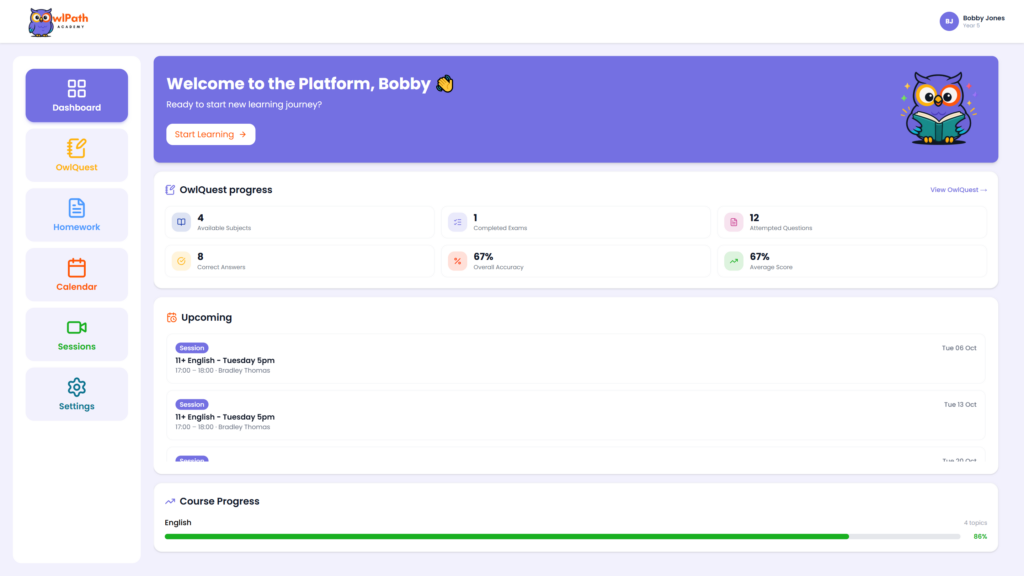
    Progress Tracking gives parents and students a clear view of how many words have been learned, which words need more work, and how consistently the programme is being used — so vocabulary practice doesn’t happen in a black box.

    The Words in the Programme

    One of the most common questions parents ask when starting 11+ preparation is: which vocabulary words should my child actually focus on?

    The 500+ words in Vocabulary Mastery are taken from the official Quest Assessments vocabulary list — the list that Quest, as an 11+ exam provider, publishes and recommends for children preparing for grammar school and independent school entrance exams. These are not randomly selected words. They are the specific vocabulary that has been identified as important for 11+ verbal reasoning, comprehension and creative writing performance.

    We’ll be publishing a full breakdown of the Quest vocabulary list and what it covers in a separate guide on the blog — In the meantime, if you want to explore the programme itself, the best way is to log in and start a session.

    Who Is Vocabulary Mastery For?

    Vocabulary Mastery is designed for Year 4 and Year 5 students preparing for the 11+ exam. It is particularly relevant for families in Wirral and the surrounding area whose children are working toward the Wirral Admissions Test, which is provided by Quest Assessments and tests verbal reasoning, non-verbal reasoning and mathematics.

    It is also relevant for families preparing for Quest-based independent school entrance exams, where the same vocabulary list applies.

    The programme works best when used as a daily habit over several months — starting in Year 4 gives children the most time to build genuine vocabulary knowledge before the exam. Year 5 students can still make meaningful progress with consistent daily practice, particularly if they focus on the words they find most difficult.

    Early Access Pricing

    Vocabulary Mastery is now available at an early access price of £14.99 per month, reduced from the standard price of £19.99 per month. This price is available for a limited time as we continue to develop new features and improve the platform based on feedback from our early users.

    As an early access member, you’ll receive all future updates during this phase and help shape the platform through your feedback. We’re building Vocabulary Mastery to be as useful as possible for families going through 11+ preparation, and real-world feedback from parents and students is the most valuable thing we can get right now.

    Early access members help shape the platform — and get the best price we’ll ever offer.

    Part of a Bigger Preparation Journey

    Vocabulary Mastery is the first dedicated learning feature we’ve launched on OwlPath, but it’s designed to sit alongside the wider preparation support we offer — not replace it.

    For families who want a more structured 11+ preparation journey, OwlPath also offers:

    • Baseline Assessment — a structured evaluation of your child’s current level across maths, verbal reasoning and non-verbal reasoning
    • Detailed Report and Action Plan — clear feedback on strengths, weaker areas and recommended next steps
    • Mock Exams — timed practice under real exam conditions to build familiarity and confidence
    • Tutoring — small-group and one-to-one sessions with specialist tutors, currently available in Wirral with expansion planned

    Vocabulary Mastery works particularly well as the daily home component that sits alongside weekly tutoring or mock exam preparation — short enough to do every day, focused enough to make a real difference over time.

    What’s Next

    We’re continuing to develop Vocabulary Mastery and the broader OwlPath platform. If you have feedback, questions, or feature requests, we’d love to hear from you — this is exactly the kind of input that shapes what we build next.

    You can log in and start using Vocabulary Mastery today, or if you have any questions about whether it’s right for your child, book a free consultation and we’ll talk you through it.

    — The OwlPath Team

    Join Vocabulary Mastery
  • Introducing OwlPath Academy — A New Way to Prepare for 11+, SATs & GCSE

    Introducing OwlPath Academy — A New Way to Prepare for 11+, SATs & GCSE

    Every parent wants the best for their child. But when it comes to navigating the 11+ entrance exam, SATs, or GCSEs, knowing where to start — and finding the right support — can feel overwhelming.

    That’s exactly why OwlPath Academy was built.

    Founded by the team behind Imperial IT, a Chester-based digital agency run by a parent who experienced that challenge first-hand, OwlPath was created with a simple mission: to give every child the structured support, expert guidance, and genuine confidence they need to get into the school they deserve.

    Where We Are Now

    Right now, OwlPath is delivering live tutoring sessions locally across the Wirral, with small group and one-to-one sessions for students preparing for the 11+ exam. Early results have been encouraging, and the feedback from parents and students has shaped everything about how the platform works.

    Alongside the live sessions, every new student starts with a free diagnostic assessment — a 30-minute evaluation covering English, Maths, Verbal Reasoning and Non-Verbal Reasoning that gives both parents and tutors a clear picture of where a child stands and exactly where to focus.

    What’s Coming

    We’re just getting started. Over the coming school year, OwlPath will be expanding beyond the Wirral — bringing our tutoring programmes to new locations and launching our full online platform, so that families across the UK can access the same quality of preparation regardless of where they live.

    And very soon, we’ll be launching our first major platform feature: Vocabulary Mastery — a structured learning tool designed to help students learn and retain the 500+ words most commonly tested in the 11+ exam. If you’ve ever watched your child struggle with the vocabulary section of a practice paper, this one’s for you.

    What to Expect From This Blog

    This blog will be home to two things: honest, practical advice for parents and students navigating 11+, SATs and GCSE preparation, and updates on everything happening at OwlPath as we grow.

    Upcoming posts will cover topics like how to prepare your child for the 11+ by year group, the difference between GL, Quest and CEM exam boards, how to make the most of the school finder tool, and much more. Whether your child is in Year 4 just starting to think about grammar school applications or in Year 11 heading into their GCSEs, there will be something here for you.

    Ready to Get Started?

    If you’re new to OwlPath, the best place to start is our free diagnostic assessment. It takes around 30 minutes, covers all four core 11+ subject areas, and gives you a personalised study roadmap for your child — completely free, with no commitment required.

    We’re glad you found us. Let’s get your child ready.

    Take Free Assessment Get in Touch